In April 2025, a woman named Shiloh Hendrix was at a playground with her toddler when she caught an older child taking something from her diaper bag. After she called the 8-year-old Somalian boy the “N” word, the boy’s father and another man confronted her. The other man, Sharmake Omar, began to video record Hendrix while following her. While the woman walks away while holding her child, Omar is heard egging her on and telling her to say the slur again on camera. An irritated Hendrix complies and says the word again.
Eleven days later, Omar called the police to report the hate speech.
On August 26, 2025, Hendrix was criminally charged with three misdemeanor counts of disorderly conduct in connection with the incident. Each count carries up to 90 days in jail. One count was dropped before trial. The charging document alleged that Hendrix “wrongfully and unlawfully engaged in offensive, obscene, abusive , boisterous, or noisy conduct, or in offensive obscene, or abusive language that would reasonably tend to arouse alarm, anger, or resentment in others.” This does comport with Minnesota’s law on disorderly conduct, which is typical among the states. The law says it’s a crime when a person “engages in offensive, obscene, abusive, boisterous, or noisy conduct or in offensive, obscene, or abusive language tending reasonably to arouse alarm, anger, or resentment in others.”
Many Americans were shocked when they learned that Americans could be charged with serious crimes for saying mere words; nobody ever alleged that Hendrix threatened anyone with violence or committed any offense other than uttering the impolite statement. I was also surprised when I first learned of the several broad types of laws that criminalize mere speech. For me, this lesson came around three years ago, when I began researching and writing for my latest book: Suppression of Expression. In the 29-chapter book, I addressed the Hendrix case and hundreds of other instances in which the government restricts speech in clear violation of the First Amendment. A day after I published the book, the Hendrix trial concluded.
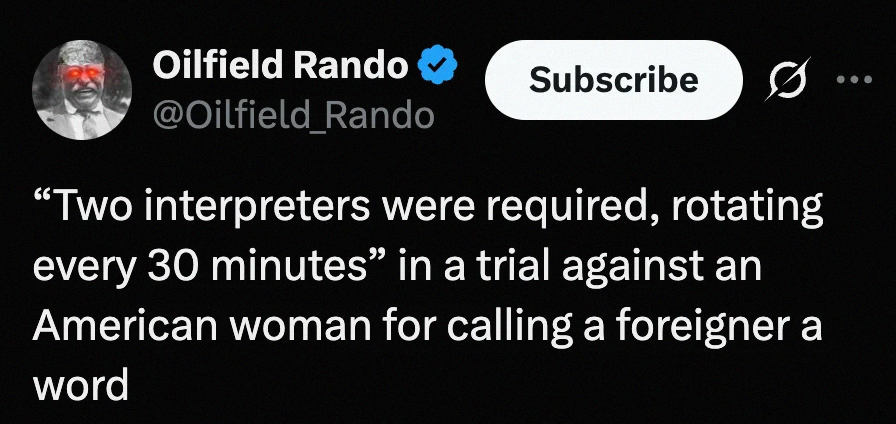
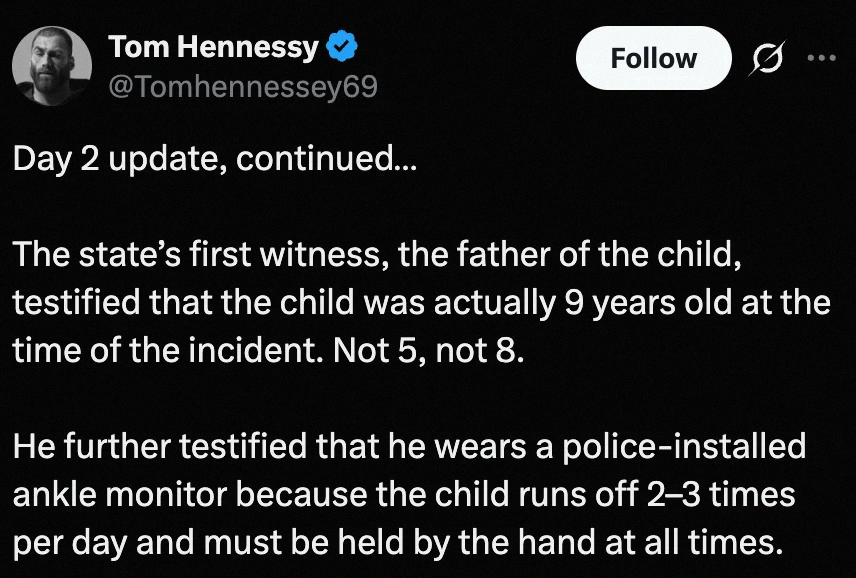
During the 4-day trial, the six jurors heard evidence that the thief had a police-installed ankle monitor due to his problematic behavior at the time of the incident. The youth’s father claimed that he was autistic. The Somalians needed interpreters during the trial.
Late Thursday night, a Minnesota jury of six returned after a few hours of deliberations with a verdict:
Count 1 – saying “nigger” towards the child: not guilty
Count 2 – saying “nigger” towards the videographer: guilty
Sentence: $1,000 fine, 200 hours community service, and a suspended 90 days in jail (no jail as long as she complies with all legal requirements and does not get in trouble again).
In the book, I address the concept of “fighting words” and the many other aspects of the case. I explain obscenities, harassment, disorderly conduct, broad laws, criminal and civil penalties, and much more. It is now live on Amazon at a discounted price in the Kindle format, with the paperback and audio formats coming soon.
This article does not necessarily reflect the opinions of The Liberty Block or any of its members. We welcome all forms of serious feedback and debate.